Cutting Corners Design is now called Bags and Seams Design!

Author
Sarah is a successful pattern designer for bags, the founder of Bags and Seams Design, and a BERNINA instructor. With great passion, she helps beginners discover their enthusiasm for sewing bags. In her high-quality courses, she teaches the necessary skills step by step and ensures motivating sewing experiences with tangible results.
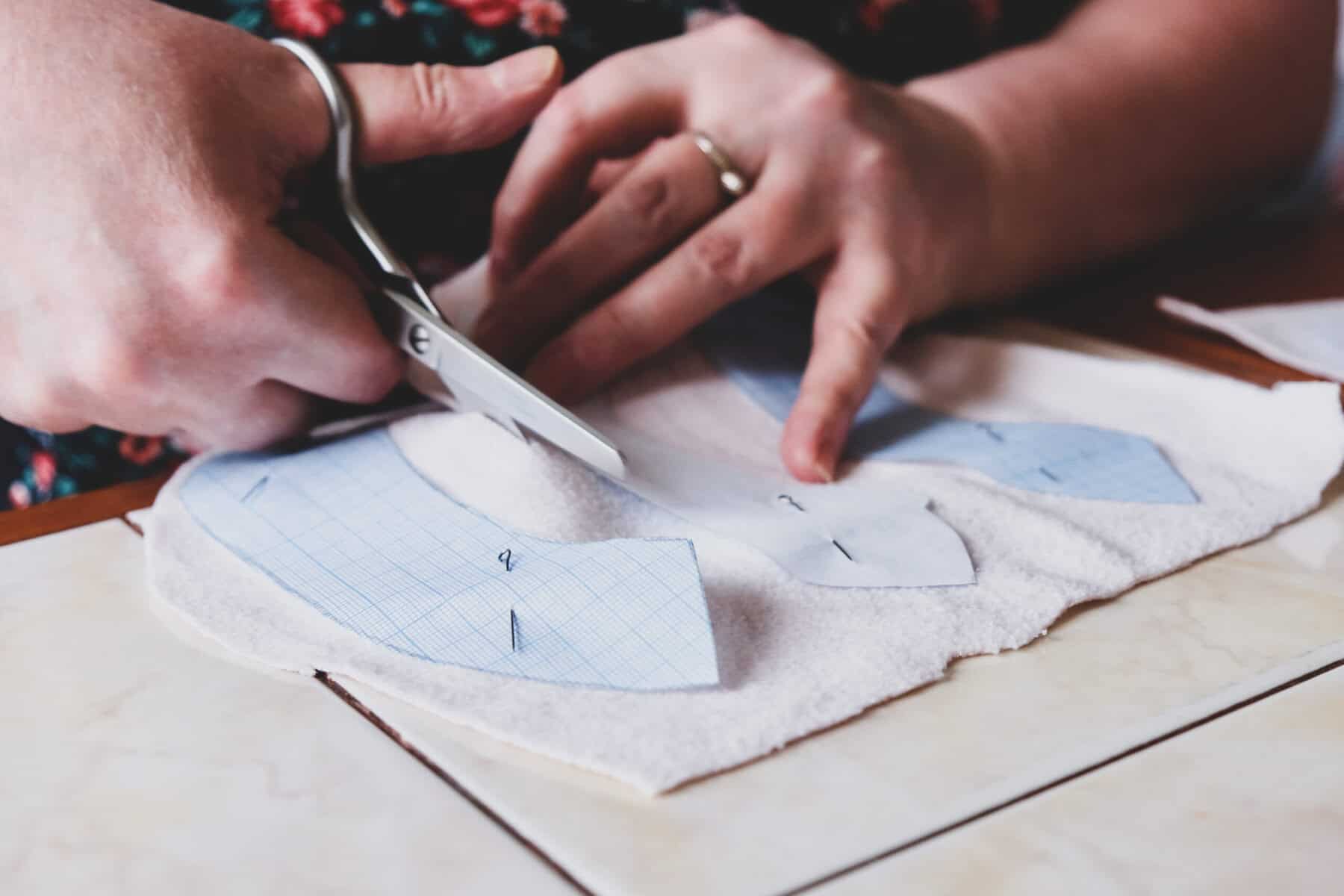
A sewing pattern is like a set of instructions for fabric: It breaks down a finished garment into individual, flat pieces and shows exactly how the fabric needs to be cut.
Clothing patterns are based on body measurements and fit, whereas bag patterns are based on function and stability, and usually include a seam allowance. There are various formats available for sewing with patterns: A4 for printing and taping together yourself, A0 as a pre-plotted large-format sheet, and projector files for direct projection onto the fabric.
A good sewing pattern with instructions includes a layout diagram, a checkbox for verifying the print size, labeled pattern pieces, and illustrated sewing instructions.
Free sewing patterns are great for experimenting, while paid downloadable patterns usually offer a more precise fit and more detailed instructions. With a little practice, you can also adapt any pattern to your own measurements.
Your sewing machine is sitting on the table, fresh out of the box. You’ve already turned the handwheel carefully, rethreaded the upper thread three times because it slipped right out on your first try, and now you’ve finally got the hang of it. The foot pedal still feels a little strange, but your first straight stitches on a test strip of fabric are already coming out really well. You’re ready for your first real project. So you grab your favorite fabric, sit down, and think:
So now what? How do I actually cut this out so that I end up with a bag or a piece of clothing, and not just a piece of fabric with a few straight seams?
It is precisely at this point that a term pops up for almost all beginner seamstresses—one that sounds intimidating at first: sewing pattern.
It’s really nothing more than your instruction manual for the fabric, showing you exactly where to cut, pin, and sew. I promise you: Once you understand how a sewing pattern works, your uncertainty will disappear in no time, making way for pure sewing joy.
A sewing pattern is your best friend when sewing, whether you want to create a dress, a bag, or a small accessory. In this post, I’ll walk you through everything you need to know about sewing patterns: what sets PDF patterns apart from A4 and A0 patterns, how to print them correctly, and how even a complete beginner can use them with confidence. At the very end, you’ll also find plenty of answers to questions I’m asked time and time again.
Think of your sewing pattern as a set of building instructions for fabric. It takes a finished garment and breaks it down into individual, flat pieces so you know exactly how to cut your fabric to create the finished components. A sewing pattern can be anything from a tiny baby bodysuit to an elegant women’s handbag. The sewing instructions, which usually come with the pattern, then show you step by step the order in which to sew everything together so that you can assemble the cut-out pattern pieces correctly.
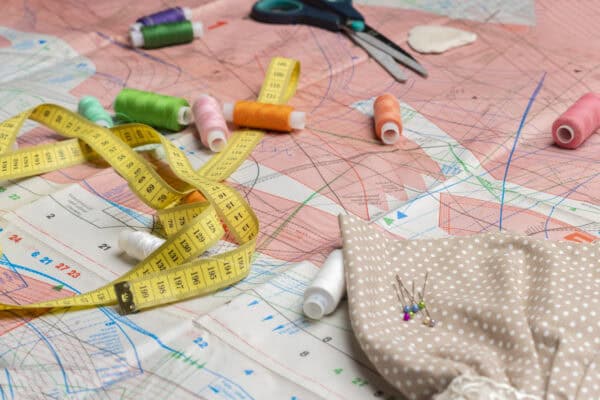
Not all sewing patterns are the same. A sewing pattern for clothing and a sewing pattern for bags differ quite significantly, both in structure and purpose.
Sewing patterns for women, men, children, and babies are based on the body measurements of the person who will eventually wear the garment. It’s all about fit, freedom of movement, and how the fabric drapes on the body. Darts, waistlines, and the grain of the fabric therefore play a major role. That’s why you’ll often find multiple size lines and a variety of symbols printed on top of one another on a classic clothing pattern sheet.
Bag sewing patterns have a different purpose: They’re not about body measurements, but about function and stability. You’ll find information on interfacing and linings, zippers, handles, and interior pockets. Typical patterns for accessories—such as pencil cases, makeup bags, or small pouches—also follow this principle.
One more practical difference: Most bag patterns already include the seam allowance, usually one centimeter. With clothing patterns, on the other hand, you often have to add it yourself—roughly equal to the width of your presser foot, which is about 0.75 centimeters. Bag patterns also often include extra pattern pieces for reinforcements, such as interfacing or foam.
How the individual A4 pages of your pattern come together in the end depends on the specific brand or designer. That’s why every reputable sewing instruction guide that comes with a pattern includes an assembly guide that shows you exactly which page goes next to which.
Follow this guide page by page as you glue the pages together, and the registration marks will line up perfectly and the lines will blend seamlessly. In most cases, the A4 sheets are also marked with letters, numbers, or symbols that help you identify the correct order without having to constantly refer to the gluing guide.
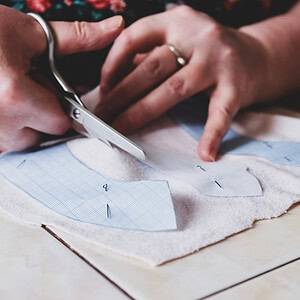
It’s best to have a pair of scissors and some tape or double-sided tape on hand. You can now either cut along the marked line on the right side of each printed pattern sheet and attach it to the next sheet accordingly, or simply tape the marked lines together so that you end up with one large pattern sheet.
Alternatively, you can have a pattern (if possible) plotted on A0 paper, so you don’t have to print the pages individually and tape them together.
Sewing patterns with multiple sizes printed on top of each other have been around longer than you might think. The American Ebenezer Butterick introduced them to the market in 1863, making it possible for many women to sew at home for the first time, without needing an expensive seamstress.
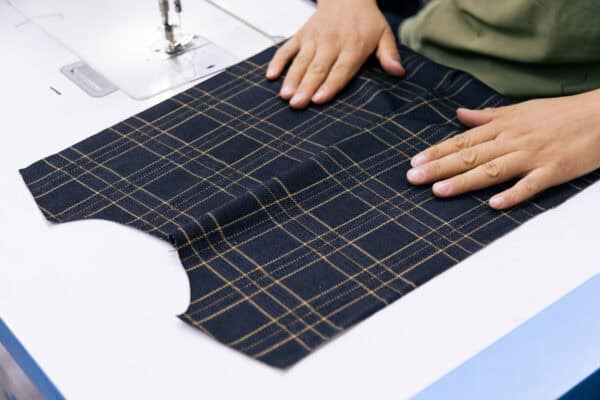
These days, you can buy most sewing patterns as ready-made paper patterns or as PDF files to download, which you can easily print out yourself.
Paper patterns are pre-printed pattern sheets that come with the sewing instructions. You don’t need to print anything yourself, but they’re usually a bit more expensive.
There are several formats you might come across when downloading:
Some brands even offer templates made of acrylic glass. Sure, they cost a lot more, but they’ll last practically a seamstress’s entire career. If you’re sewing the same bag over and over again, it can really be worth it.
So what’s the difference between A4 and A0? With the A4 format, you print out several individual pages and then tape them together, for example with a glue stick or tape. With the A0 format, on the other hand, you have a single large sheet printed by a plot service, which you can cut out right away. This saves you time and the hassle of gluing, but usually costs a little more to print.
To ensure that your PDF pattern is actually sewn in the correct size, there are a few small details to keep in mind when printing:
A personal tip: Avoid printing from a tablet or cell phone, as this can cause the print settings to change.
If, for example, you want to sew a bag or a storage pouch that’s a little bigger or smaller, you can simply print many patterns at 80 or 120 percent. Just remember that the seam allowance will change as well, and you’ll need to adjust it accordingly.
Let’s be honest: not every sewing pattern is equally well-designed or high-quality. A high-quality sewing pattern with instructions should definitely include the following:
A sewing pattern with measurements, clear labeling, and illustrated instructions will save you a lot of questions, frustration, and failed attempts. So that’s exactly what I would definitely look for when buying or downloading one.
It’s also important that the pattern has been tested for clarity.
In my shop, you’ll find high-quality, tested, and labeled patterns. Feel free to take a look around!
Before you get started, it’s worth taking a look at your basic supplies. You’ll actually need these for almost every sewing pattern:
Which fabrics are suitable for sewing patterns depends entirely on the project: For clothing patterns, the fabric should usually have a little stretch, which ensures a good fit and comfort. For bag patterns, on the other hand, it’s better to use firm, dimensionally stable materials such as cotton canvas, faux leather, or coated fabrics.
You can’t always follow a store-bought clothing pattern exactly. If you’d like, you can try making a test piece first using inexpensive scrap fabric to check the length, width, or strap width before you start working with the actual fabric. This intermediate step is especially worthwhile when making clothing, as it allows you to adjust the fit to your body measurements—for example, by lengthening or shortening individual pattern pieces between two marked lines.
By the way, if you sew regularly, over time you’ll develop a real knack for making your own adjustments or even creating your first patterns by combining existing templates or transferring your own measurements directly into a basic pattern. It sounds challenging, but it’s a great next step once you’ve had some practice.
By the way, symbols like the grain arrow or registration marks are understood the same way all over the world. Whether a pattern comes from Japan, Sweden, or the U.S., these symbols speak an international language that connects all sewing enthusiasts.
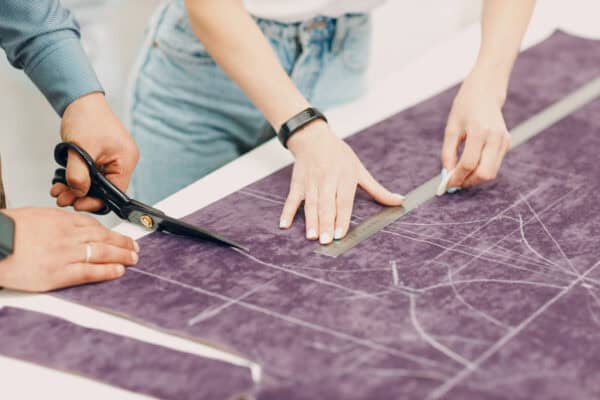
You can find countless free sewing patterns online that are great for getting started and let you try out simple sewing projects without spending a dime. But if you want a precise fit and truly professional results in the long run, you’re usually better off with paid downloadable sewing patterns.
A well-designed sewing pattern usually costs around 10 francs or euros. In return, though, you get meticulous design work, fits that have been tested repeatedly, and illustrated instructions that help you avoid common beginner mistakes right from the start. That’s a difference that many free patterns simply can’t offer.
To me, a sewing pattern is much more than just a piece of printed paper. It’s the invisible foundation that guides your sewing project from the initial idea to the finished piece. It gives you structure, saves you from unnecessary detours, and helps even beginners like you achieve a result that feels truly professional—whether you end up with a dress, a pair of pants, or a handmade bag.
With a carefully crafted pattern, the right print settings, and a little patience while gluing the pieces together, nothing stands in the way of your next project. And that feeling of finally holding your one-of-a-kind, hand-sewn creation in your hands? It’s hard to put into words—you just have to experience it for yourself.
If you don’t already have a printed paper pattern, first print or plot your pattern in the appropriate size, then cut it out and, if necessary, trace it onto the fabric. Next, cut out the individual pieces and sew them together, step by step, following the included sewing instructions.
First, look at the labels on each pattern piece and the explanations in the instructions: name, quantity, fabric type, and cutting instructions, such as “on the fold” or “double.” Symbols such as grain direction arrows, registration marks, and darts also show you how the pieces will come together later. Familiarize yourself with all the markings and make sure you know how each fabric piece is cut before you begin. It’s often helpful to read the sewing instructions carefully once to understand the structure of the sewing project and how it will be assembled later. This also helps with choosing the right fabric.
To get started, I recommend simple patterns with few pieces, clear labeling, and illustrated sewing instructions—for example, straightforward bag designs or loose-fitting garments without complicated fit details.
You can find downloadable sewing patterns from specialty sewing brands and designers, in online stores for sewing supplies, and on platforms that specialize in digital sewing patterns in PDF format. Both free and paid options are available.
It’s best to open the file with Adobe Acrobat Reader on a PC or laptop and select the “Actual Size” or “100% Print Size” setting when printing. Then check the control square with a ruler to make sure nothing has been distorted.
An A4 pattern consists of several individual pages that you print out yourself and then glue together. An A0 pattern, on the other hand, is printed as a single large sheet by a printing service and just needs to be cut out.
Follow the assembly guide provided, which shows you the order of the pages, and glue them together using a glue stick or tape so that the lines and registration marks on the edges line up exactly.
Especially as a beginner, detailed sewing instructions—preferably with pictures—are worth their weight in gold, because they explain each step clearly and help you avoid common mistakes right from the start. As you gain more experience, however, you’ll be able to manage just fine with more concise instructions.